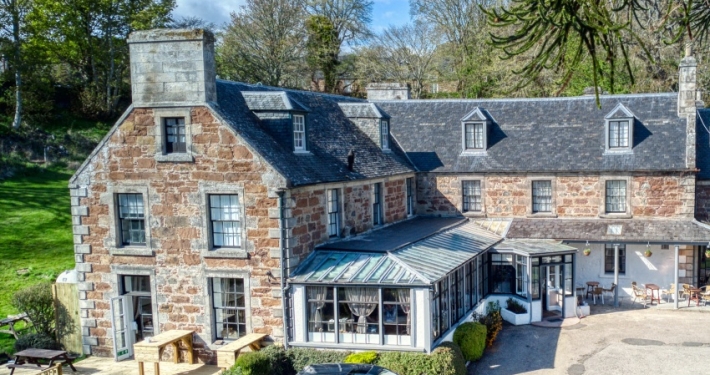
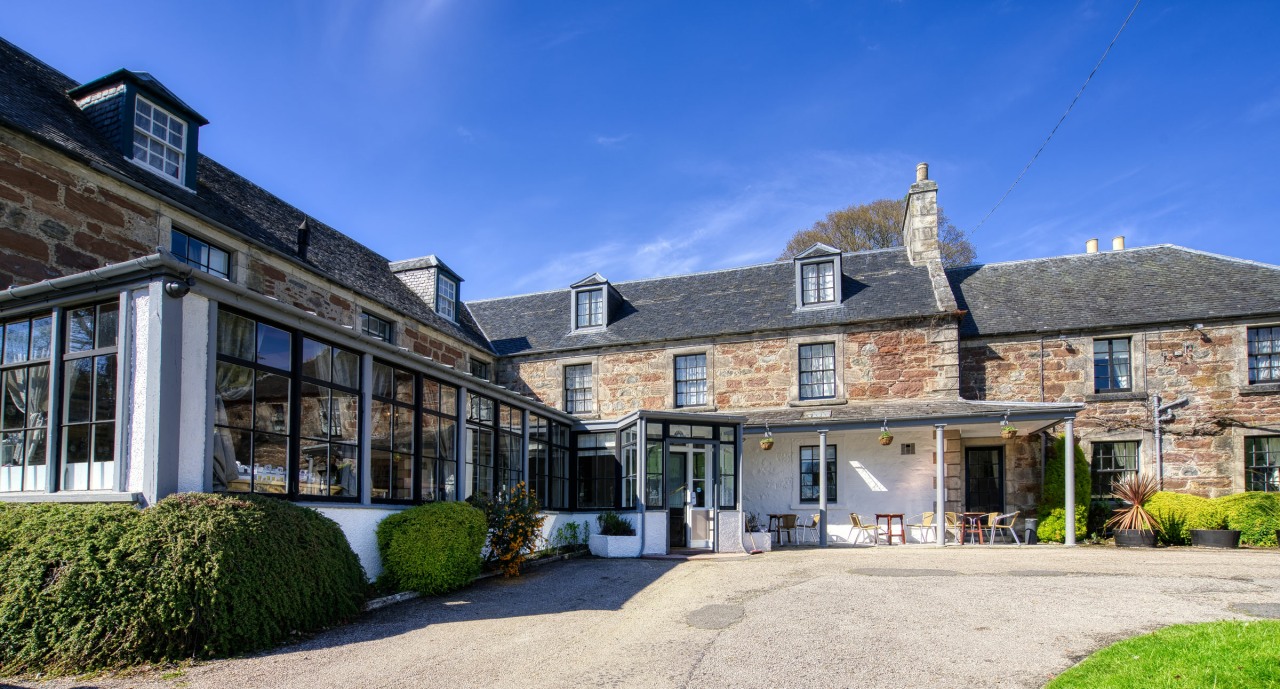
The Golspie Inn has been in existence for over 200 years and has recently reverted back to its original name having been known as the Sutherland Arms Hotel.
It is of historic importance locally, was the first bar in Sutherland and boasts the oldest postbox in Scotland, dating back to 1861.
The new owners hope to make the Golspie Inn a haven for people who appreciate good food, comfortable accommodation and a warm welcome. They have been involved in the hotel business for many years in operating the Sligachan Hotel, on the Isle of Skye, and look forward to being of service to you in the near future.
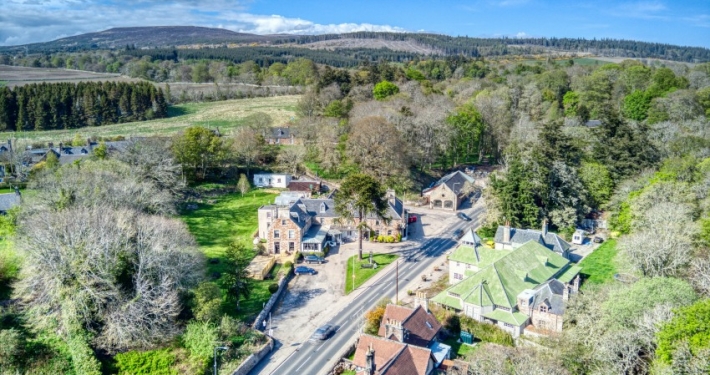
The coastal town of Golspie is located in East Sutherland on the shores of the Moray Firth. Picturesquely sheltered under the shadow of Ben Bhraggie. Golspie is approximately 50 miles North of Inverness on the A9 towards Wick. The Inn is situated at the far end of the village on the left hand side. Golspie is in close proximity from Inverness airport and Caithness with its ferry terminal crossings to the Orkney Islands.
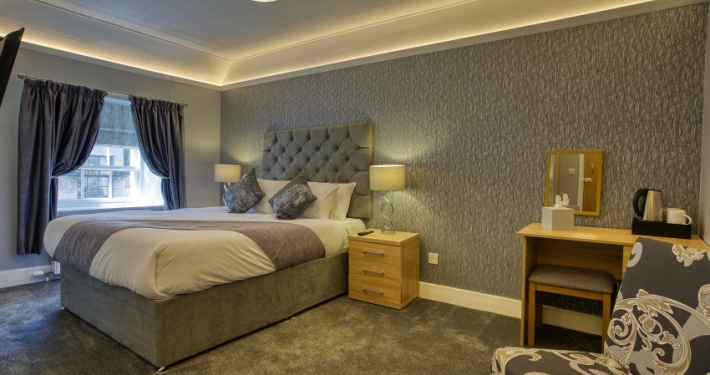
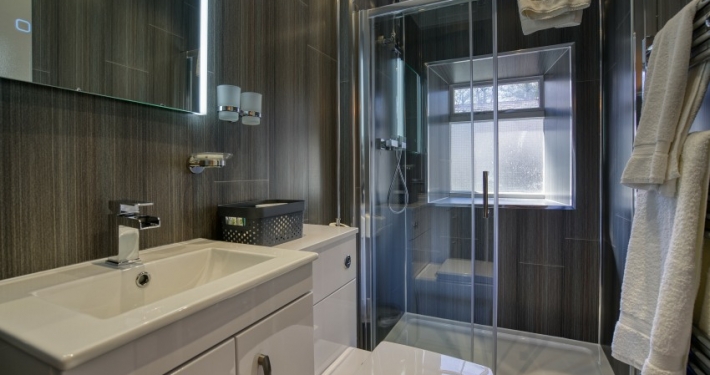
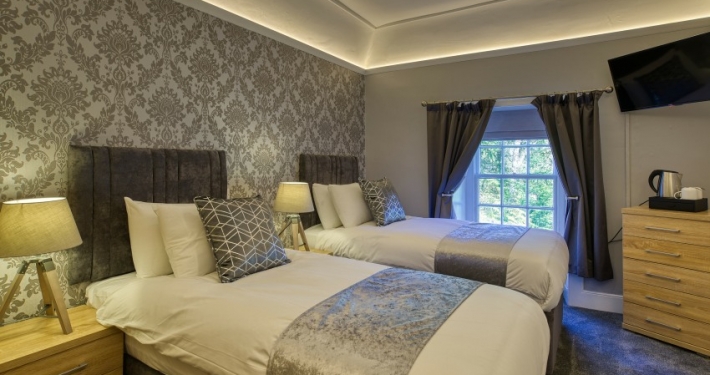
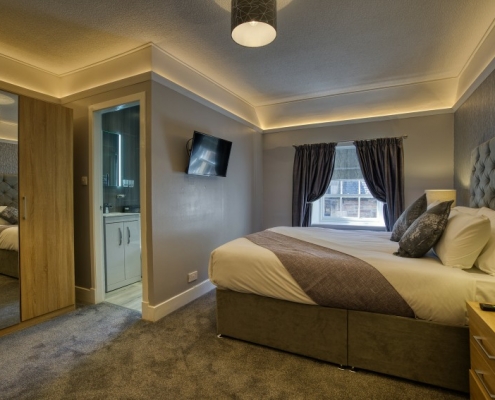
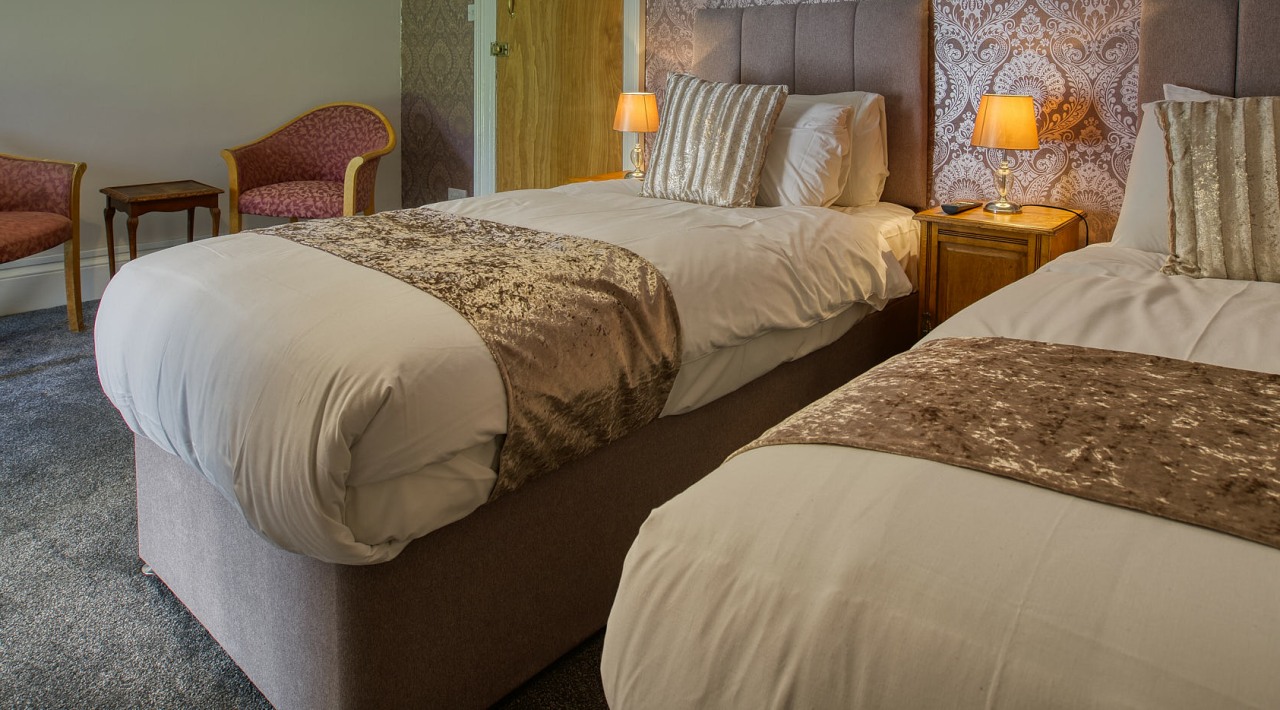
The Golspie Inn has 14 letting rooms each with en suite facilities and can accommodate up to 26 people.
There are 3 single, 2 family and 9 double/twin rooms.
Rooms come with the basic amenities along with modern features such as flat-screen television/dvd players.
All rooms are non-smoking. Pets are welcome although only a select number of rooms are able to accomodate them.
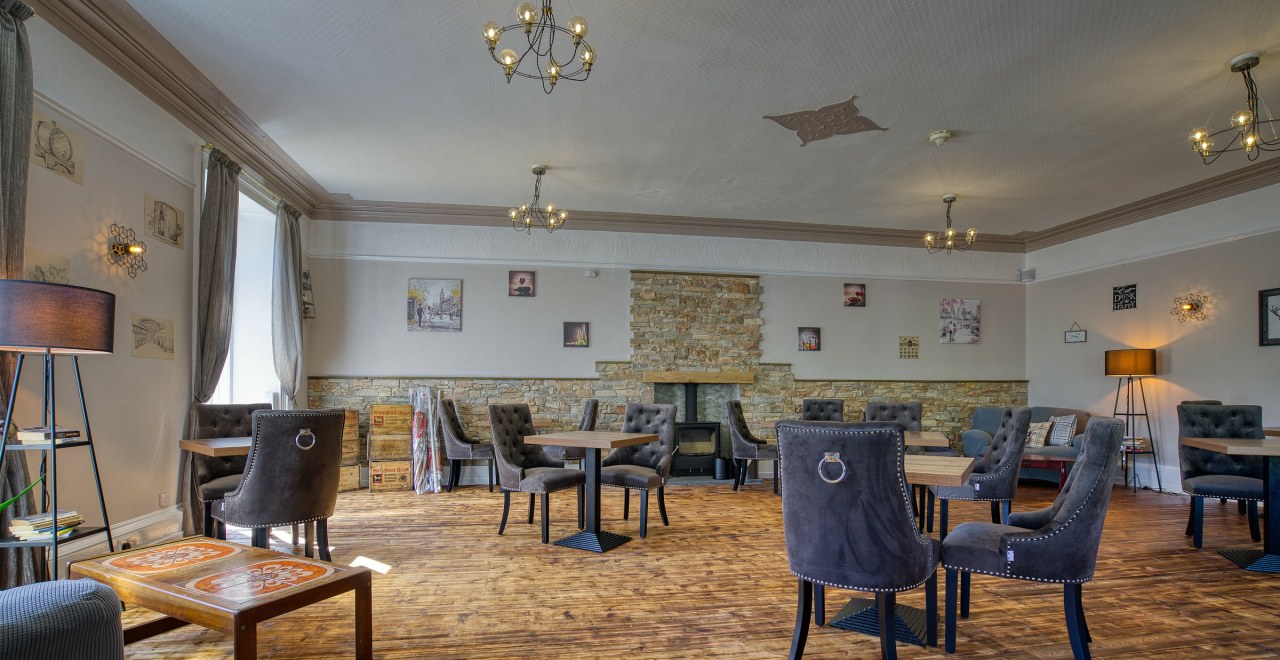
From the moment we arrived in Golspie, it became apparent there was a real opportunity in the village for quality dining and this was something that we felt we really had to address, not just for Golspie, but to aim to provide a top venue for food for the East Sutherland coast.
We continue to strive for excellence in this very important area of the businiess.
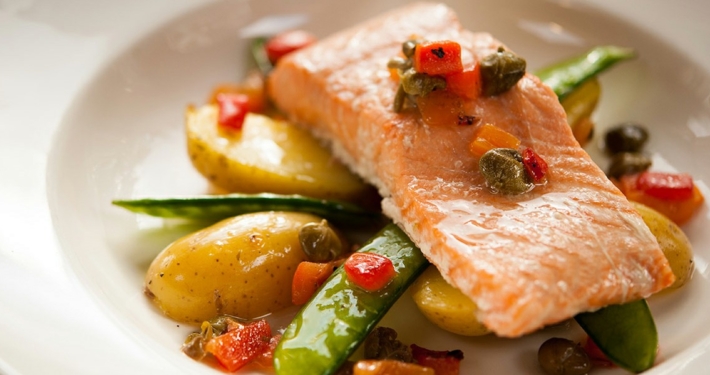
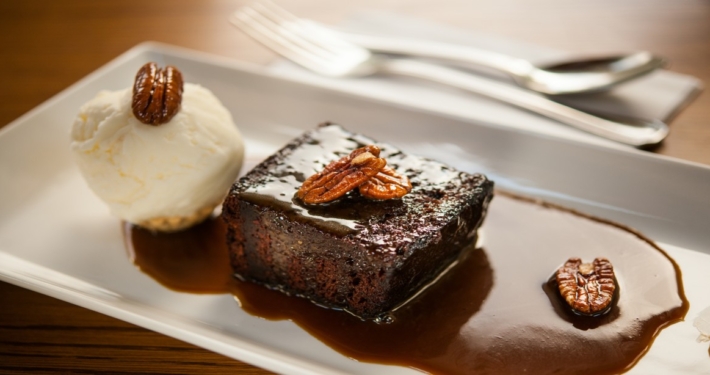
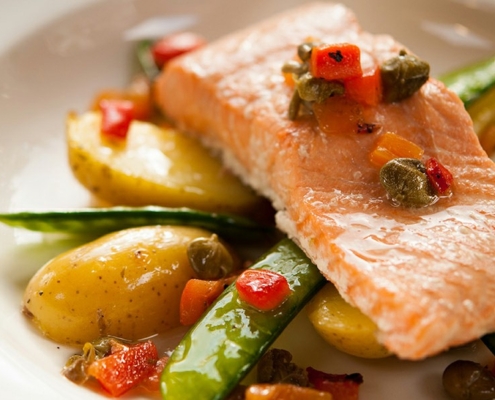
Everything is prepared fresh on the premises on a daily basis, using local produce wherever possible ,minimising the import of fusion flavours to maximise the natural & the land to the plate Philosophy. All of the meat cuts used, we are proud to say are strictly Scottish, from Wild game to highland Beef, Pork, Duck and corn fed Chicken.
lamb, venison, beef as well as vegitables andsalad are loccallly sourced when possible
locally caught
Not Just a Burgerbut a home made venison or local beef burger
Golspie History
Golspie lies on the east coast of Sutherland, mid way between Loch Fleet and Brora on the main road north. Originally a small fishing hamlet Golspie was, like many villages on the east Sutherland coast, expanded in the early nineteenth century to house some of those evicted from the inland straths and glens during the clearances. Fishing was the main industry, but the opening of the railway in 1868 brought the first tourists to the area.
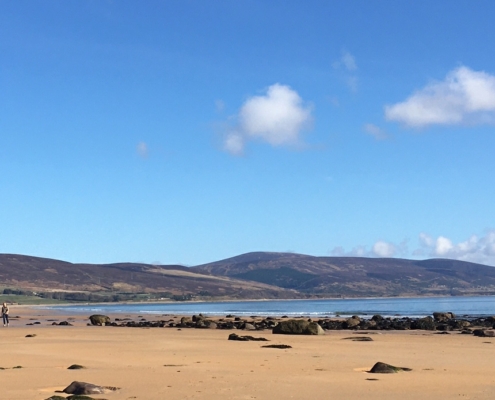
Golspie today is an attractive little seaside resort with much for the visitor to see and do. The village boasts a long sandy beach and there a number of scenic walks around the area, including one at the Big Burn with its spectacular waterfalls.
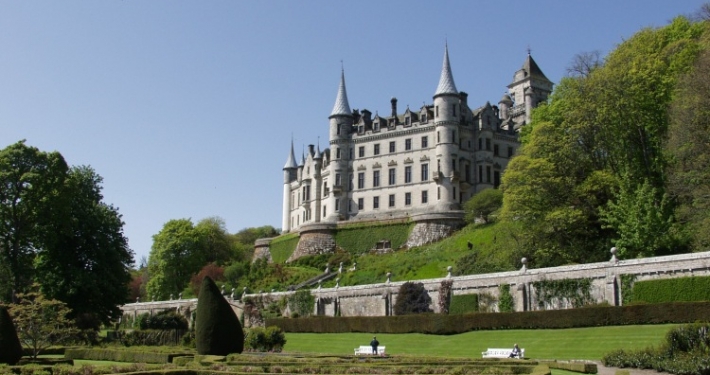
There are a number of historic buildings too, including St Andrews church dating from the sixteenth century and, most famously, Dunrobin Castle. This is one of the grandest houses in the north of Scotland and is situated just north of the village. It is believed to be one of the oldest continuously inhabited homes in Britain, the oldest part of the castle dating from the early fourteenth century. As well as the castle itself, Dunrobin is known for its formal gardens.
Sutherland History
It was the early Viking settlers who came to Caithness that named everything to the south "The Southlands" which is how Sutherland came by its name. However, Sutherland's history goes back much further than this.
There is evidence of man's activities throughout the county from prehistoric times. Stone Age and Bronze Age man have left their mark throughout the area, as have the Picts and the Scots. The remains of their buildings and monuments can be seen wherever you go.
Since those ancient times, small communities grew up throughout the county with the people living off the land. Families worked small parcels of land and tended to a few animals, and this simple way of life continued relatively undisturbed until the early eighteenth century.
But following the Jacobite defeat at Culloden, the Highlands and its people were persecuted. Then in the late eighteenth and nineteenth century the people that once inhabited the remote glens and straths were forced out by the landowners and replaced with more profitable sheep. The infamous Highland clearances took place over a number of years where many of Sutherland's population were forced to move from their land to coastal villages or to further lands to start up a new life. The ruined remains of their homes and entire villages can still be seen to this day across the county.
As far as Highland villages go, Golspie has more to offer than most. When it comes to activities, walkers can enjoy coastal and hill excursions with the popular 'Big Burn ' walk commencing right next to the Inn.
Within a few minutes walk there are tennis courts, outdoor bowling greens, and a local swimming pool.
For the more adventurous swimmer, Golspie is home to an award-winning beach where an early morning dip is sure to set you up for the day ahead!
In recent years Golspie has become a popular venue for mountain biking with award-winning tracks blended into the natural environment. Safe bike storage and washing facilities are available here at the Golspie Inn.
Situated one mile North of the Golspie Inn is the beautiful Dunrobin Castle. The castle is the most northerly of Scotland's great houses and the largest in the Northern Highlands with 189 rooms. Dunrobin Castle is also one of Britain's oldest continuously inhabited houses dating back to the early 1300s, home to the Earls and later, the Dukes of Sutherland.
The castle is a must see during your visit to Golspie.
It is said that whenever the great Jack Nicklaus comes to Britain, he jets up to Dornoch (consistently voted amongst the top 10 courses in the world) to get away from it all.
There is no question that Royal Dornoch Golf Course is the jewel in the crown of Sutherlands courses.
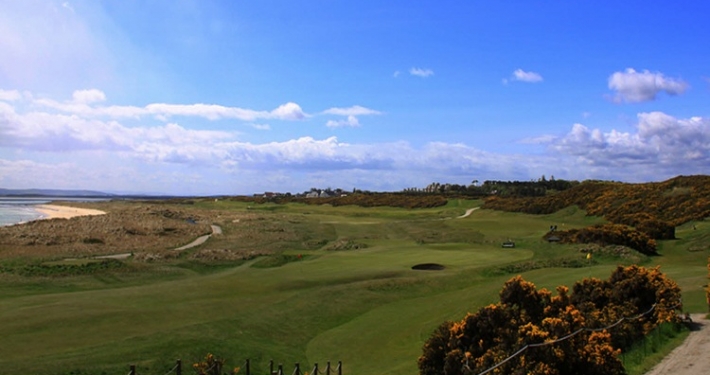
Within said crown, however, there are little gems sparkling. Golspie Golf Course is a beautiful combination of rugged links and parkland golf.
Brora Golf Course
Gleneagles may be more glamorous, Carnoustie more prestigious. It is Brora which is the most northerly golf memorial to James Braid in his native Scotland.
Brora is also the headquarters of the James Braid Golfing Society, and while its President, Peter Thomson, and fellow member Ronan Rafferty annually enthuse, the club golfer, the bedrock of the game, will derive equal pleasure and satisfaction from Brora's 6110 yards.
Given 194 acres of Scottish links land to work on, what in 1923 was entitled "Braid's Plan" is hardly altered. Here the visitor will enjoy the mixture of bent grass and beach sand, burn water and gorse in glorious yellow May bloom. There is even a railway which comes into play from the tenth tee.
Tain Golf Course
Overlooking the Dornoch Firth, Tain arguably offers one of the best settings imaginable in the highlands for a round of golf. With sea on one side and the backdrop of the mountains behind, every day brings a different aspect to this challenging and beautiful course.
Designed in 1890 by Old Tom Morris, the layout of the holes guarantees an interesting round for beginners or experts. The sheltered location of the course ensures favourable weather for most of the year - winter greens are seldom used at Tain.
Royal Dornoch Golf Course
Despite the fact that the golfers of Dornoch only formed a Club in 1877 they were so far seeing that they constructed a second golf course known as the Ladies Course in the early part of the 20th century. This came about in 1939 after the outbreak of the Second World War, the Air Ministry decided to take over the majority of the Ladies course as an airfield.
It was not until after the war that Royal Dornoch received compensation from the Air Ministry but this was insufficient to re-build the Ladies Course. However a nine hole course was constructed instead. However it was always the intention of the Members to re-instate an eighteen hole course on the land previously occupied by the Ladies Course and from the 1960's the extension of the existing nine holes began.
The Struie Course is somewhat shorter than its predecessor, and although it is not that long by modern day standards, it is a fine test of golf requiring accurate shots to avoid well placed gorse bushes and thick rough.
A lLong drive makes this challenging hole a lot easier